
Training Materials Printing in Riyadh: How to Choose a Print Provider You Can Rely On
How to choose a reliable print provider for training kits and materials in Riyadh: experience, quality, binding options, deadlines, and file checks.
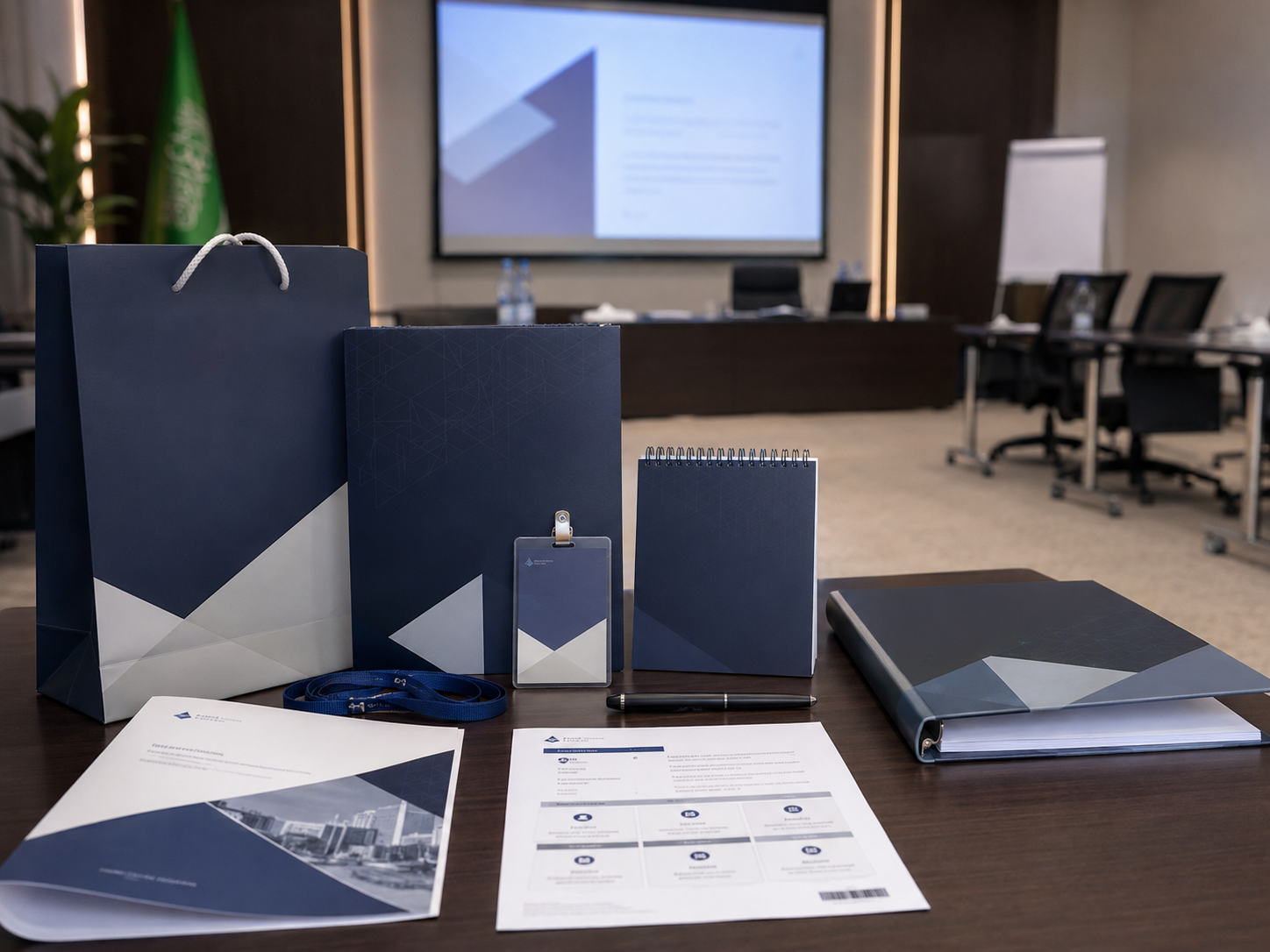
Companies, institutes, and training centers in Riyadh need professionally printed training materials that reflect the organizer’s standards and help trainees follow the content in a clear, organized way. A training kit isn’t just a stack of printed pages — it’s a core part of the learning experience and the institution’s image in front of trainees, clients, and partners.
As training programs, workshops, and specialized courses keep growing, training materials printing in Riyadh has become an essential service for organizations that need speed, quality, and precision. The real question is: how do you choose a print provider you can rely on?
This article covers the criteria that identify a professional printing partner for training kits and materials, and how Alquaifil Printing Center — serving Riyadh since 1984 — fits that role for companies and institutes.
What Counts as Training Materials?
Training materials are all the printed pieces prepared for use during courses and programs. They vary by program type and audience, but usually share the same core elements that organize the content and make it easy to reference.
Typical training materials
- Printed training kits.
- Course booklets.
- Binders and course notes.
- Worksheet and exercise files.
- Training certificates.
- Name badges.
- Notebooks.
- Program schedules.
- Introductory flyers.
- In-room signs and posters.
Every one of these needs care in printing and preparation, because the final finish directly shapes the trainee’s impression of the program and the organization behind it.
Why Does Print Quality Matter So Much?
An organization can have excellent training content, yet weak or disorganized output will lower its value in the trainee’s eyes. Print quality is a real factor in the success of the training experience.
A professional image
When a trainee receives a tidy kit — clearly printed, designed in a consistent visual identity — they sense that the organizer cares about details. That builds trust from the program’s first minutes.
Easier learning and follow-along
Clear printing, suitable paper, and practical page ordering let trainees follow the instructor and take notes comfortably. Good dividers and binding make information quick to find.
A carrier for your brand
Training materials can carry the company’s or institute’s logo and brand colors, turning them into an effective identity tool — especially in courses delivered to clients or external parties.
How to Choose a Reliable Print Provider in Riyadh
Don’t decide on price alone. Training materials are usually tied to fixed dates, a set number of trainees, and a schedule that tolerates neither delays nor errors.
1. Experience with Training Kits
The first criterion is the center’s experience with training materials specifically. A training kit differs from a simple flyer: it can involve a large page count, internal dividers, a custom cover, precise ordering, and the right binding.
An experienced provider knows how to handle training files, checks the page order, and recommends the paper and binding that fit the use case and the print run.
2. Print Quality and Text Clarity
Training materials are text-heavy, with tables and diagrams. The printing must be crisp and comfortable to read — especially for long courses with dense content.
What to check
- Legibility of small type.
- Color accuracy on the cover and brand elements.
- Quality of printed images and tables.
- Ink stability with no smudging.
- Consistent margins and page order.
These details are what separate a professional, genuinely usable training document from a mediocre one.
3. The Right Binding Options
Binding depends on page count, usage pattern, and budget.
Common bindings for training materials
- Spiral binding for binders and workbooks.
- Thermal binding for formal-looking booklets.
- Stapling for short documents.
- Premium binding for flagship programs and long-life materials.
- Plastic or paper folders for complete training kits.
At Alquaifil, all of these options are available and matched to the nature of the program and the organization’s needs.
4. Capacity for Any Quantity
Some programs need a handful of copies; others need hundreds or thousands for recurring courses. Choose a center that can print on demand at both ends of the scale.
Digital printing suits limited or urgent runs, while commercial printing suits larger quantities that need consistent quality at a sensible unit cost — the same trade-off we cover in our bulk training books guide.
5. On-Time Delivery
In training, time is decisive: a course is tied to a date, registered trainees, booked halls, and instructor schedules. Any delay in delivering materials disrupts the whole program.
Choose a provider known for commitment, with a clear pipeline for receiving files, reviewing them, printing, and delivering on the agreed date.
6. Everything Under One Roof
It’s better to work with one center that covers all the program’s printing needs than to split the job across several vendors — it saves time, reduces errors, and keeps the output quality uniform.
Services you might need
- Booklets and course binders.
- Custom covers.
- Attendance certificates.
- Name badges.
- Banners or roll-ups for the hall.
- Directional stickers and signs.
- Assembled folders and training kits.
- Notebooks.
- Maps or diagrams when needed.
Having all of this in one place makes preparation simpler and more professional.
7. Care for the Visual Identity
Organizations want their materials to match their brand. The provider must reproduce colors accurately, keep the logo sharp, and coordinate cover and content properly.
Even small details — cover color, paper stock, wrapping, divider design — make a real difference in the final impression.
8. File Review Before Printing
A common mistake is sending a file to print without checking sizes, margins, image quality, and page order. A professional provider flags technical issues before production, especially on large files or bound materials.
Pre-print checklist
- The file is in a print-ready format.
- Pages are in the correct order.
- Fonts are clear and embedded.
- Images and tables are high resolution.
- The cover matches the required size.
- The copy count is confirmed before production.
Our print-file preparation guide covers these steps in detail.
The Best Paper for Training Materials
Paper choice follows the material’s role. Workbooks trainees write in need practical paper; covers need heavier, higher-grade stock.
Interior paper
Choose paper that’s comfortable to read and write on and stands up to repeated use, with the weight matched to the document’s size and page count.
Cover paper
The cover is the first thing a trainee sees. Use a heavy stock with thermal lamination in matte or gloss, matched to the brand.
Internal dividers
If the material is split into units or modules, colored or printed dividers make navigation much easier.
When Do Organizations Need Professional Training Print?
- Internal staff training courses.
- Specialized workshops.
- New-employee onboarding programs.
- Institute and education-center courses.
- Conferences and professional forums.
- Client-facing training programs.
- Kits for trainers and consultants.
The more important the program, the more its printing needs to reflect the organizer’s level.
Mistakes to Avoid with Training Kits
- Choosing the lowest price with no regard for quality.
- Sending files that aren’t print-ready.
- Weak paper that doesn’t survive the use.
- Ignoring the binding choice.
- Skipping a proof copy when one is warranted.
- Leaving printing to the last minute.
- Inconsistent design across the materials.
Avoiding these keeps the output organized and professional.
How Alquaifil Helps
Alquaifil Printing Center in Riyadh delivers complete training-materials printing for companies and institutes — from binders and booklets to assembled kits, folders, certificates, and the banners that accompany the program.
With long experience across digital and commercial printing, the center handles every scale: a limited run for an urgent course, or large quantities for recurring programs — plus a full range of binding, print-on-demand, book printing, and signage.
Why Alquaifil?
Founded in Riyadh in 1984, Alquaifil Printing Center brings more than four decades of experience serving companies, institutes, and individuals — experience that translates into understanding client needs and executing print work with quality and professionalism.
For training materials, kits, booklets, binders, certificates, or any supporting print for your programs, contact us or explore our business printing services and prepare your training print with confidence.